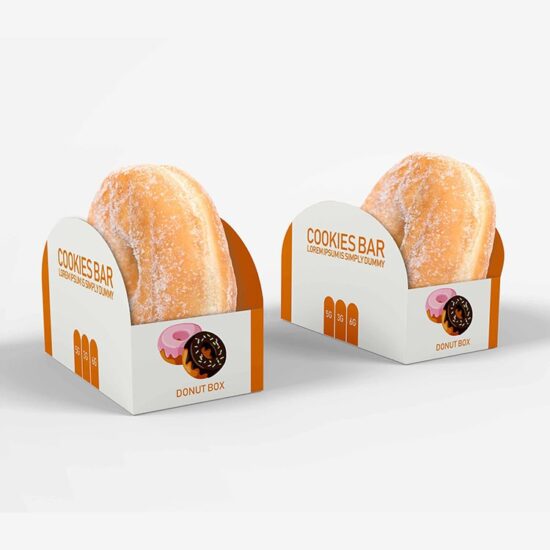


Tuck End Lock Style Custom Kraft Boxes
Custom Kraft Boxes are engineered to perform structured sealing, product protection, and accurate folding on retail packaging systems.
Custom Kraft Boxes offer a structured packaging which is designed with a strong system of flap insertion into the box, which holds the products together and ensures that the products are held in place. The tuck end lock system is based on engineered folds fitted into slots cut to a precision and locked closed. This design promotes product stability in storage, display, and distribution.
Kraft board material has a good folding performance and a stable surface performance. The structured retail formats that are intended to be assembled repeatedly are highly utilized by these boxes. This paper discusses design planning, structure alignment, production techniques, and the use of the tuck-end lock kraft packaging system.
Structural Lock Mechanism
The tuck end lock system is based on a folded panel which fits in a specific slot. This forms mechanical tension, which seals the box with no outside accessories. Precise scoring allows the fold to be made along specific lineages. The locking tab should also be aligned with the cut opening to ensure that they stay engaged. The structure is also widely used in all custom printed kraft boxes where surface printing is required to be in line with the fold geometry. The lock design avoids accidental opening when it is being handled. Die cutting is done properly to provide repeatable performance between production runs.
Material Strength Planning
The choice of board has an impact on durability and fold precision at Kraft. The thickness has to withstand the continual insertions of the tuck flap without ripping. Compression resistance and edge stability are tested by engineers before production. This planning is necessary in the packaging systems of kraft boxes, in which the structural behaviour needs to be consistent. The fabric should be rigid in areas of crease and should be able to fold cleanly. The surface fibres are expected to resist the slot friction during closure. The material density is balanced to guarantee the smooth operation of the tuck mechanism. The structural alignment is done by each board layer.
Accurate Folding Positioning
The degree of folding that is accurate is what defines the performance of the tuck end lock. The exact positions of score lines have to be taken so that the panels are symmetrical. Asymmetric folds may decrease the effectiveness of locking. This is particularly so when it comes to the manufacturing of custom kraft boxes on a wholesale basis, where consistency of large volumes is needed. Automated folding machines are indeed programmed with template folding mechanisms. The tuck panel is to be inserted flush. Effective sealing and organized containment are facilitated by proper alignment. Close predictability of closure behaviour is achieved by precision folding.
Retail Display Structure
Tuck-end lock boxes have an appropriate use in organized retail presentation. The closure system enables the box to be opened and closed easily without being poked or broken. The layout of panels should take into consideration the front-facing surfaces to identify products. This format is applied in many brands in custom kraft boxes with lid configurations to have flap closure combined with structured coverage. The tuck lock has a clean look on the exterior. The structural balance allows keeping the lid steady when putting it on the shelf. The design allows product containment to be organized.
Window Integration Design
There are Kraft boxes that have transparent cut-outs to allow visibility of products. The position of the windows should not intersect with the tuck end slot and locking tab. Die design is used to coordinate the shape and structural folds of windows. This design is widespread in kraft boxes with windows, which involve regulated exposure of products. The board opening is sealed with the window film. Structural strength is maintained by the reinforcement around the cut. Spacing between the window and the tuck flap should be done properly to maintain uninterrupted lock performance. Containment and visibility are upheld in the system.
Compact Size Engineering
Smaller packaging necessitates a very careful tuck alignment because of the small panel space. The flaps should be reduced in size, and the slot size should be equal to allow safe engagement. In small-sized designs, dimensional accuracy is more crucial. This applies to small-sized kraft boxes that are used to carry lightweight or individual items. The tuck panel should be folded up without any repeated edges. Structural equilibrium helps in avoiding distortion in the process of closure. The lock system should not have any variation in tension even during reduced sizes. Measured assembly guarantees the accuracy of the assembly.
Shipping Performance Stability
Tuck end lock structures are required to be able to move during transportation. Under vibration and stacking pressure, the locking tab must not be released. The effect of board stiffness and fold depth on performance during shipping. The properties play a significant role in shipping boxes of crafts where a secure containment is needed. Reinforced scoring eliminates the chances of panel separation. The tuck process ensures that pressure is uniformly spread over the zone of closure. Accidental opening can be avoided by proper design. Stable closure is checked under the conditions of handling.
Surface Printing Coordination
Elements to be printed should be aligned to the fold lines and the slot location. The positioning of the artwork must not interfere with the space of the tuck-in. Graphic position is directed by design templates. The method is common in logo style layouts in custom cosmetic boxes when it is utilized on kraft material. After folding and closing, printing should not be blurred. Ink compatibility with the kraft texture will be used to guarantee the surface is clear. Misalignment at seam points is prevented by registration accuracy. Structured presentation of packaging is aided by coordinated printing.
Production Workflow Control
The production commences with the development of templates where tuck locks are used. Flaps and slots, as well as fold areas, are defined by die lines. Digital layouts are cut and scored by machines. The workflow assists in ensuring uniformity in the wholesale manufacturing of personalized packaged kraft boxes. The quality control ensures that tuck panels fit well into the locking slots. The adjustment would be done in case levels of tolerance change. Planned working is a guarantee of consistent closure performance. During the inspection, structural integrity is verified by inspection of each unit before being distributed.
Standards of Assembly Efficiency
Tuck end lock boxes are constructed in such a way that they must be assembled easily. Panels are folded along pre-scored lines by workers or automated systems, and the flap is dropped into the slot. The closure does not need adhesives or other elements. This makes it easier to produce in a plant that produces custom-printed kraft boxes in large quantities. The speed of assembly is related to the clarity of the scores and flexibility of the material. Clear folding instructions minimize mistakes in the setup. Efficient assembly ensures the stability of structural output.
Internal Protection Compatibility
The tuck end lock design has the capability of holding internal trays or separators. The components used as inserts should not block the movement of flaps. Designers relate internal architecture to closure geometry. It is commonly used in custom kraft boxes with lid systems that have to be layered. There should be adequate spacing between the insert and the tuck flap in order to make it close smoothly. Structural coordination eliminates pressure accumulation within the box. Closure reliability: Balanced internal design. Components are compatible, which guarantees the orderliness of product placement.
Quality Assurance Testing
Tuck end lock boxes are evaluated in terms of performance before shipment. Examples are repeated opening cycle tests and compression resistance tests. Inspectors ensure that the flap is firmly wedged in the slot. This is an important process when the brands are structured in terms of distribution by using Kraft box packaging. Any depth variation of folds or slot width variation is rectified. Testing provides a uniform locking action with each production run. Confirmation tests ensure that there is dimensional accuracy. Dependable closure performance is supported by quality assurance.
Cross Product Usability
Tuck end lock kraft boxes have several types of products which need a secure container. They fit their structure to various dimensions without changing the principle of locking. This flexibility can be used in retail shelves, storage systems and distribution channels. The same tuck mechanism can be used when fitted in a custom-designed kraft box with a lid or window. Custom Wholesale Boxes Structural planning makes it compatible with different weights of products. The closure system helps in planned containment among applications. It has a uniform design that would fit various packaging requirements.
Conclusion
Custom Kraft Boxes combine well-organized folding, precise slot positioning and reliability of mechanical closing into a single system packaging. The tuck end system offers secure containment without any extra parts. Performance is affected by the choice of material, accuracy of scoring and design of the die.
The closure system has a consistent engagement whether in the retail display, shipping or organized storage. Making sure that it is carefully engineered means that it will assemble well and will lock well. These boxes are a viable answer to orderly product containment based on accuracy and structural correlation.